ঢাকা ০৫:৩০ অপরাহ্ন, মঙ্গলবার, ১৬ জুন ২০২৬, ২ আষাঢ় ১৪৩৩ বঙ্গাব্দ

Housing sector key to economic recovery

Staff Reporter
  • সংবাদ প্রকাশের সময় : ০৩:৪২:০১ অপরাহ্ন, মঙ্গলবার, ১৬ জুন ২০২৬ ৭০ বার পড়া হয়েছে
বাংলা টাইমস অনলাইনের সর্বশেষ নিউজ পেতে অনুসরণ করুন গুগল নিউজ (Google News) ফিডটি

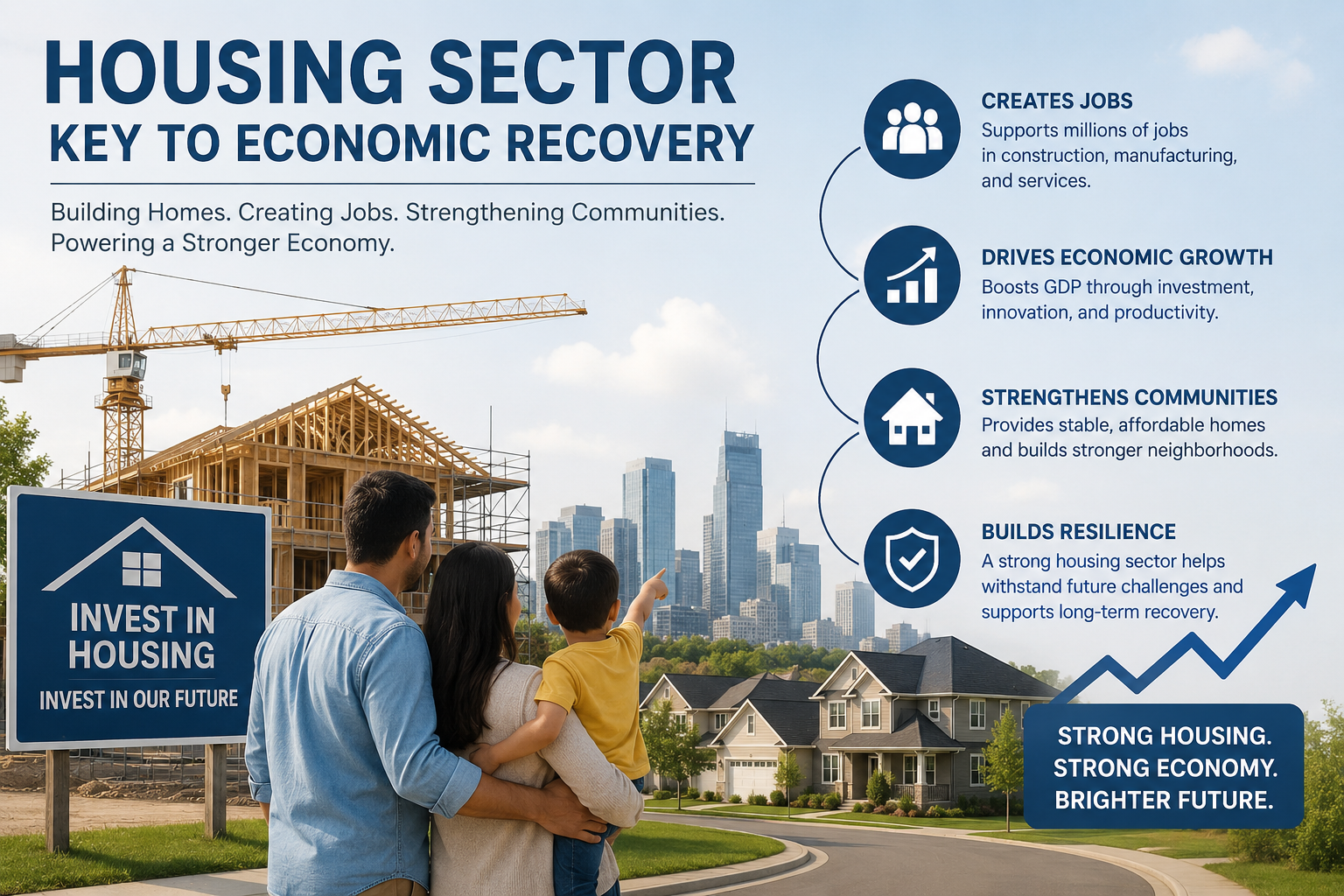
Industry stakeholders and analysts have urged the government to prioritise the housing sector as a key driver of Bangladesh’s economic recovery, citing its extensive multiplier effects across the economy.

Spending on a single flat or house generates economic activity in more than 200 directly and indirectly linked industries. The sector is also a major source of employment and contributes significantly to gross domestic product (GDP) through capital circulation.

Experts have warned that any further deterioration in a sector that contributes nearly 15% of GDP could have serious repercussions for the broader economy.

They argue that with proper planning and policy support, the housing sector could create substantial employment opportunities for skilled professionals.

Mamun Rashid, economist and Chairman of Financial Excellence Limited, said the housing sector is regarded worldwide as a “real sector” of the economy. He noted that trends in housing demand, supply and apartment sales are key indicators of overall economic activity.

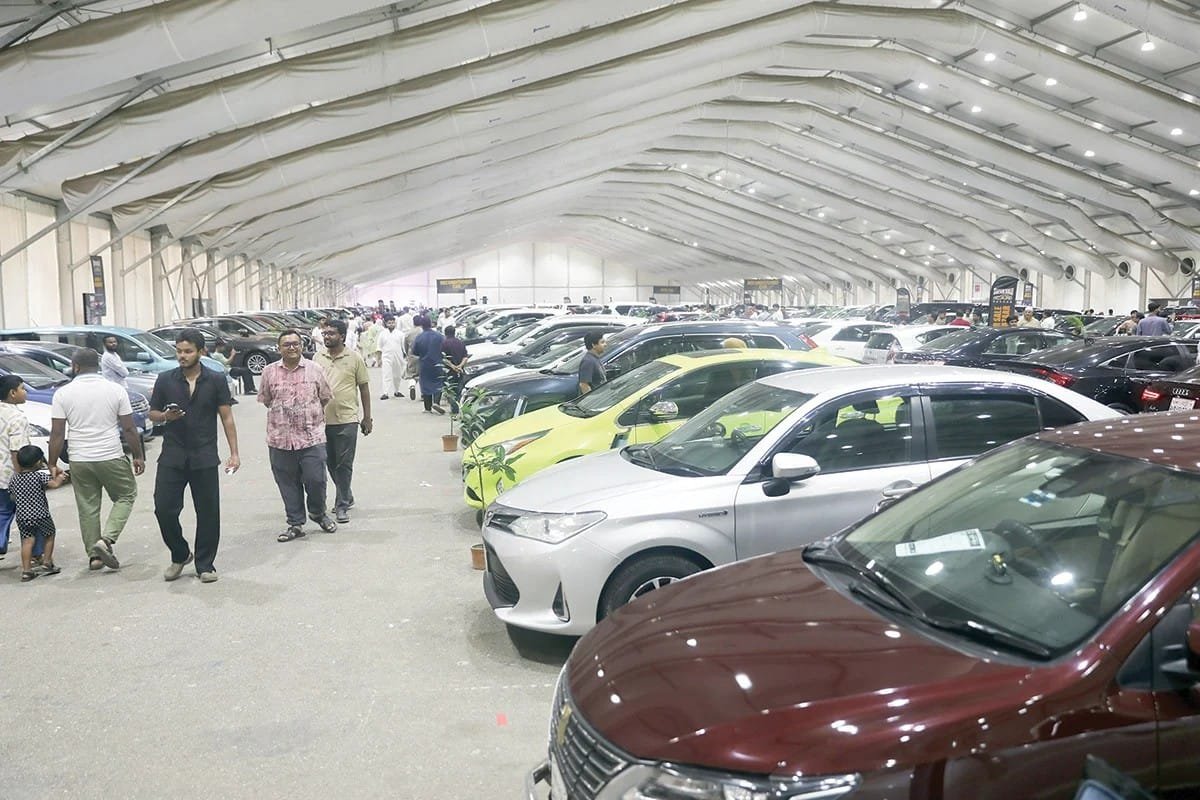
“The ongoing economic slowdown and stagnation have pushed apartment sales to extremely low levels,” he said. “In a land-scarce country like Bangladesh, low- and middle-income households naturally turn to apartments for housing. However, soaring land and construction costs have pushed prices beyond the reach of ordinary citizens, while obtaining bank loans has become increasingly difficult.”

He called for incentives to revitalise the sector, arguing that the decline in apartment sales is directly affecting the housing industry and slowing economic growth. “Special policy support and incentives for housing and construction-related industries have become essential to overcome this deep downturn,” he said.

Industry Facing Severe Downturn

Sector representatives say the housing and real estate industry, one of the key pillars of the economy, is experiencing a severe slump. Uncontrolled increases in energy and construction material costs, high lending rates and exchange-rate volatility have reduced apartment sales by as much as 70%, while construction costs have risen by around 50%.

Despite these challenges, the proposed budget for FY2026–27 includes an increase in specific VAT on steel rods, a measure that industry leaders fear could further weaken the sector.

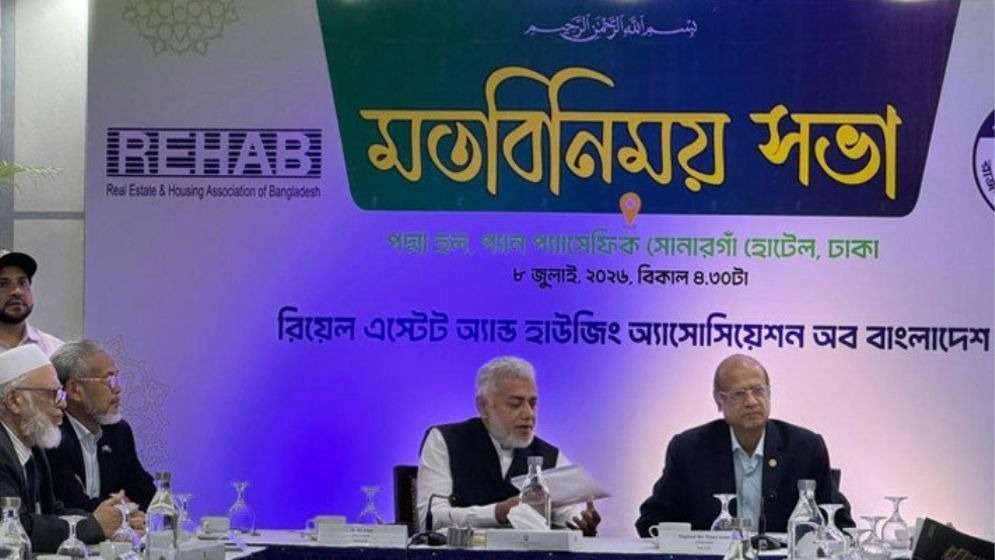
According to the Real Estate and Housing Association of Bangladesh (REHAB), monthly apartment sales across the industry have fallen from around 1,000 units a few years ago to approximately 500 units. The luxury apartment segment has been particularly affected, with sales declining by 60–70%.

REHAB President Ali Afzal said registration costs exceeding 13% have significantly reduced transactions in apartments and land. He noted that Bangladesh has one of the highest property registration costs in Asia.

“REHAB proposed reducing registration costs to 7%, but this was not reflected in the proposed budget,” he said.

He added that construction costs have increased by roughly 50% over recent years and that the absence of long-term, low-interest housing finance has pushed many middle-income buyers out of the market. Political and policy uncertainty arising from changes in government over the past two and a half years has also undermined buyer confidence.

Rising Costs and Weak Demand

Developers report that prices of steel rods, cement, bricks, sand and stone have increased by nearly 50%, making new projects financially unviable. Existing projects are progressing slowly, while demand has weakened across the market for approximately 269 construction-related products.

A tile trader at Dhaka’s Banglamotor market said daily sales had fallen from Tk300,000–400,000 to just Tk50,000–60,000, making it difficult to meet loan repayments, warehouse rent and employee wages.

Industry representatives have criticised the proposed FY2026–27 budget for imposing additional tax burdens during an already difficult period. Finance Minister Amir Khosru Mahmud Chowdhury has proposed increasing specific VAT at the production stage on various mild steel products, alongside higher duties on ferro-alloys and scrap.

REHAB said the budget failed to provide the policy support and incentives expected by the sector. Dr Ali Afzal warned that additional taxes and duties on construction materials, particularly steel rods, would raise construction costs further, directly increasing apartment prices and burdening buyers.

Economic Significance

The housing sector generates around Tk300 billion in annual revenue and provides direct and indirect employment for approximately five million people. Total investment in the sector exceeds Tk2 trillion, with more than 1,400 companies operating in the industry.

The sector is linked to around 269 industries, including steel, cement, ceramics, glass, paints, bricks, electrical equipment, aluminium, furniture and sanitary products. In addition, around 12,000 industrial projects are connected to the sector.

Experts warn that any prolonged downturn would affect not only developers and homebuyers but also a wide range of related industries and millions of workers.

Path to Recovery

Experts say overcoming the current crisis will require targeted policy support, including low-interest housing loans, lower registration costs, housing-friendly tax policies and expanded access to long-term financing.

Calling for the complete removal of taxes on the housing sector, Manwar Hossain, Chairman of Anwar Group of Industries, said revitalising housing would activate 3,600 linked industries.

“If the cement industry alone can increase capacity utilisation to 80%, the government could generate an additional Tk25 billion in annual revenue,” he said.

He also urged policymakers to reduce dependence on borrowing and attract foreign equity capital and direct investment from global institutional funds for major infrastructure projects.

Mohammad Tanvirul Islam, Executive Director (Operations) of Amin Mohammad Foundation Limited, said that a unified policy framework, greater transparency, professional management and technology-driven planning could significantly enhance the sector’s contribution to the economy.

“With the right planning and policy support, the housing sector can create substantial employment opportunities for engineers, architects, planners, technicians, managers and other skilled professionals,” he said.

According to REHAB, every taka invested in housing generates more than Tk2.5 in economic activity. A recovery in the sector would benefit not only the apartment market but also transportation, furniture, home décor, electronics and financial services.

Global Perspective

World Bank data show that housing accounts for around 15% of GDP globally. The sector contributes between 15 and 18% of GDP in the United States, 22–23% in Sweden, around 20% in Germany and 23–28% in China. The average contribution in developing countries, including Bangladesh, is approximately 13.1%.

While housing markets worldwide have faced challenges due to high inflation and rising interest rates, experts believe Bangladesh’s situation is particularly severe. They warn that without timely policy intervention, the sector’s recovery will be delayed further, with potentially damaging long-term consequences for the national economy.

Industry observers say the housing sector’s difficulties now pose a serious threat to economic stability. They argue that unless the government acts quickly with supportive policies, the decline could have far-reaching consequences for the wider economy. At the same time, they stress that the sector’s demands deserve serious consideration in the post-budget policy discussions.

নিউজটি শেয়ার করুন
আপনার মন্তব্য

Your email address will not be published. Required fields are marked *

আপনার ইমেইল এবং অন্যান্য তথ্য সংরক্ষন করুন

ট্যাগস :

Housing sector key to economic recovery

সংবাদ প্রকাশের সময় : ০৩:৪২:০১ অপরাহ্ন, মঙ্গলবার, ১৬ জুন ২০২৬

Industry stakeholders and analysts have urged the government to prioritise the housing sector as a key driver of Bangladesh’s economic recovery, citing its extensive multiplier effects across the economy.

Spending on a single flat or house generates economic activity in more than 200 directly and indirectly linked industries. The sector is also a major source of employment and contributes significantly to gross domestic product (GDP) through capital circulation.

Experts have warned that any further deterioration in a sector that contributes nearly 15% of GDP could have serious repercussions for the broader economy.

They argue that with proper planning and policy support, the housing sector could create substantial employment opportunities for skilled professionals.

Mamun Rashid, economist and Chairman of Financial Excellence Limited, said the housing sector is regarded worldwide as a “real sector” of the economy. He noted that trends in housing demand, supply and apartment sales are key indicators of overall economic activity.

“The ongoing economic slowdown and stagnation have pushed apartment sales to extremely low levels,” he said. “In a land-scarce country like Bangladesh, low- and middle-income households naturally turn to apartments for housing. However, soaring land and construction costs have pushed prices beyond the reach of ordinary citizens, while obtaining bank loans has become increasingly difficult.”

He called for incentives to revitalise the sector, arguing that the decline in apartment sales is directly affecting the housing industry and slowing economic growth. “Special policy support and incentives for housing and construction-related industries have become essential to overcome this deep downturn,” he said.

Industry Facing Severe Downturn

Sector representatives say the housing and real estate industry, one of the key pillars of the economy, is experiencing a severe slump. Uncontrolled increases in energy and construction material costs, high lending rates and exchange-rate volatility have reduced apartment sales by as much as 70%, while construction costs have risen by around 50%.

Despite these challenges, the proposed budget for FY2026–27 includes an increase in specific VAT on steel rods, a measure that industry leaders fear could further weaken the sector.

According to the Real Estate and Housing Association of Bangladesh (REHAB), monthly apartment sales across the industry have fallen from around 1,000 units a few years ago to approximately 500 units. The luxury apartment segment has been particularly affected, with sales declining by 60–70%.

REHAB President Ali Afzal said registration costs exceeding 13% have significantly reduced transactions in apartments and land. He noted that Bangladesh has one of the highest property registration costs in Asia.

“REHAB proposed reducing registration costs to 7%, but this was not reflected in the proposed budget,” he said.

He added that construction costs have increased by roughly 50% over recent years and that the absence of long-term, low-interest housing finance has pushed many middle-income buyers out of the market. Political and policy uncertainty arising from changes in government over the past two and a half years has also undermined buyer confidence.

Rising Costs and Weak Demand

Developers report that prices of steel rods, cement, bricks, sand and stone have increased by nearly 50%, making new projects financially unviable. Existing projects are progressing slowly, while demand has weakened across the market for approximately 269 construction-related products.

A tile trader at Dhaka’s Banglamotor market said daily sales had fallen from Tk300,000–400,000 to just Tk50,000–60,000, making it difficult to meet loan repayments, warehouse rent and employee wages.

Industry representatives have criticised the proposed FY2026–27 budget for imposing additional tax burdens during an already difficult period. Finance Minister Amir Khosru Mahmud Chowdhury has proposed increasing specific VAT at the production stage on various mild steel products, alongside higher duties on ferro-alloys and scrap.

REHAB said the budget failed to provide the policy support and incentives expected by the sector. Dr Ali Afzal warned that additional taxes and duties on construction materials, particularly steel rods, would raise construction costs further, directly increasing apartment prices and burdening buyers.

Economic Significance

The housing sector generates around Tk300 billion in annual revenue and provides direct and indirect employment for approximately five million people. Total investment in the sector exceeds Tk2 trillion, with more than 1,400 companies operating in the industry.

The sector is linked to around 269 industries, including steel, cement, ceramics, glass, paints, bricks, electrical equipment, aluminium, furniture and sanitary products. In addition, around 12,000 industrial projects are connected to the sector.

Experts warn that any prolonged downturn would affect not only developers and homebuyers but also a wide range of related industries and millions of workers.

Path to Recovery

Experts say overcoming the current crisis will require targeted policy support, including low-interest housing loans, lower registration costs, housing-friendly tax policies and expanded access to long-term financing.

Calling for the complete removal of taxes on the housing sector, Manwar Hossain, Chairman of Anwar Group of Industries, said revitalising housing would activate 3,600 linked industries.

“If the cement industry alone can increase capacity utilisation to 80%, the government could generate an additional Tk25 billion in annual revenue,” he said.

He also urged policymakers to reduce dependence on borrowing and attract foreign equity capital and direct investment from global institutional funds for major infrastructure projects.

Mohammad Tanvirul Islam, Executive Director (Operations) of Amin Mohammad Foundation Limited, said that a unified policy framework, greater transparency, professional management and technology-driven planning could significantly enhance the sector’s contribution to the economy.

“With the right planning and policy support, the housing sector can create substantial employment opportunities for engineers, architects, planners, technicians, managers and other skilled professionals,” he said.

According to REHAB, every taka invested in housing generates more than Tk2.5 in economic activity. A recovery in the sector would benefit not only the apartment market but also transportation, furniture, home décor, electronics and financial services.

Global Perspective

World Bank data show that housing accounts for around 15% of GDP globally. The sector contributes between 15 and 18% of GDP in the United States, 22–23% in Sweden, around 20% in Germany and 23–28% in China. The average contribution in developing countries, including Bangladesh, is approximately 13.1%.

While housing markets worldwide have faced challenges due to high inflation and rising interest rates, experts believe Bangladesh’s situation is particularly severe. They warn that without timely policy intervention, the sector’s recovery will be delayed further, with potentially damaging long-term consequences for the national economy.

Industry observers say the housing sector’s difficulties now pose a serious threat to economic stability. They argue that unless the government acts quickly with supportive policies, the decline could have far-reaching consequences for the wider economy. At the same time, they stress that the sector’s demands deserve serious consideration in the post-budget policy discussions.