Planned Bashundhara Residential Area at risk of turning into disorderly urban zone

- সংবাদ প্রকাশের সময় : ১০:৩২:০৫ পূর্বাহ্ন, শুক্রবার, ৮ মে ২০২৬ ১১৯ বার পড়া হয়েছে
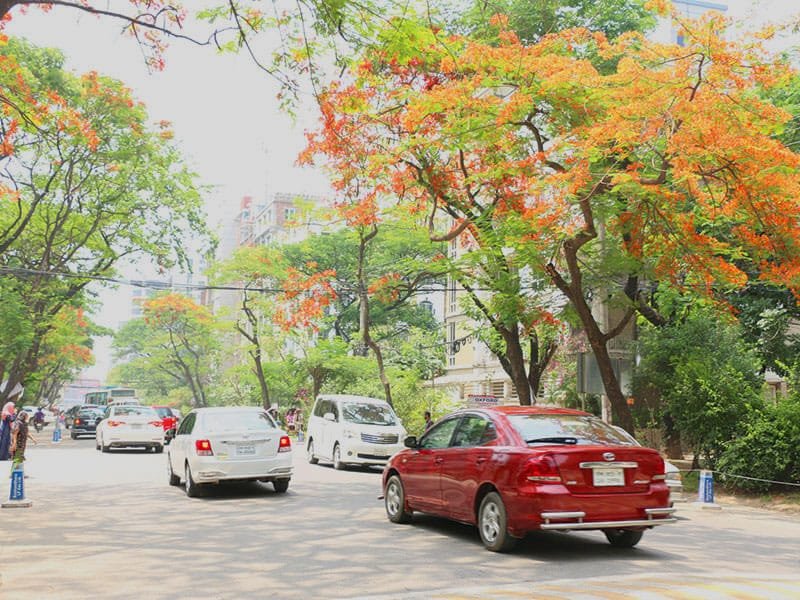
Amid the chaos, congestion, drug abuse and criminal activities that have long plagued different parts of Dhaka, Bashundhara Residential Area has emerged as a secure, elite and well-planned housing enclave. Its artistic layout and scenic environment appear almost unreal — like a carefully painted masterpiece crafted with aesthetic precision. Yet this was not created by magic, but through years of efficient, strict and uncompromising management that transformed Bashundhara into a peaceful urban sanctuary.
While many residential areas across the capital continue to struggle with disorder and insecurity, Bashundhara stands out as a rare example of calm and organized urban living. However, despite years of tireless efforts by the Bashundhara Welfare Society to maintain this planned community, various initiatives are now underway to bring the area under external control.
Although the area has been developed in a carefully organized manner, there are now discussions about placing it under the authority of the Dhaka North City Corporation (DNCC).
Critics argue that the two city corporations in Dhaka have failed to make most residential areas fully livable. Residents in many parts of the capital still face poor security, terrorism, drug abuse, extortion, inadequate street lighting, broken footpaths and weak drainage systems. Yet citizens continue paying service charges month after month without receiving satisfactory civic services.

Several residential areas adjacent to Bashundhara — including Badda, Bhatara, Khilkhet, Kalachandpur, Jagannathpur and Nikunja — remain far from well-managed. Murder, mugging, robbery and criminal activities are common occurrences there. Posters, banners and political graffiti dominate the walls, leaving little room for aesthetics or urban discipline.
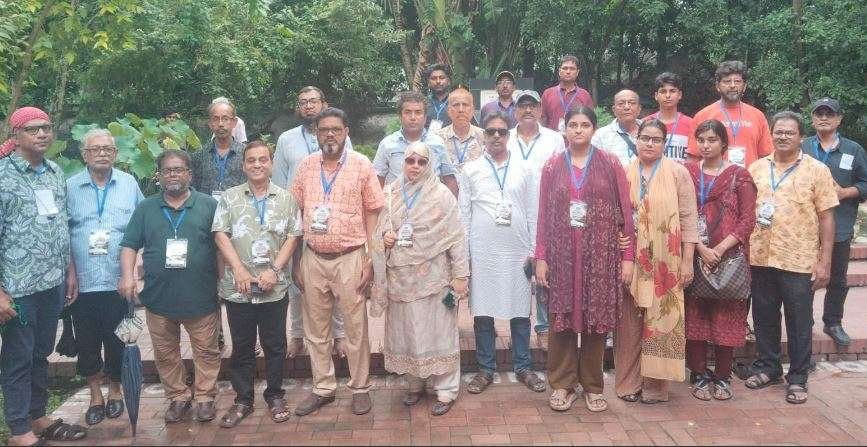
Bashundhara residents oppose bringing area under city corporation control
Bashundhara residents oppose bringing area under city corporation control
Residents also point to the deteriorating law-and-order situation in areas like Mohammadpur, where criminal gangs and juvenile groups frequently create public suffering. Despite receiving poor services, citizens in those areas continue paying taxes and fees to the city corporation.
Against this backdrop, concerns are growing among Bashundhara residents that bringing their peaceful and organized neighborhood under city corporation control could eventually turn it into another overcrowded and disorderly urban zone plagued by crime and mismanagement.
Many residents believe Bashundhara is fundamentally different from other residential areas in Dhaka. They see it not merely as a housing project, but as a symbol of modern, secure and disciplined urban living — free from terrorism, drugs, extortion and social disorder.
The story behind Bashundhara’s development is also unique. In a city suffering from decades of unplanned urbanization and population pressure, Bashundhara Residential Area has emerged as an exceptional model of planned development. While most parts of Dhaka continue to battle traffic congestion, waterlogging and inadequate civic amenities, Bashundhara has maintained its distinct identity through modern infrastructure and disciplined urban management.
The journey began in 1987 under the visionary leadership of Bashundhara Group Chairman Ahmed Akbar Sobhan. What started as a long-term urban planning initiative has now evolved into a modern, peaceful and secure residential model within Dhaka’s mega-city landscape.
One of Bashundhara’s major strengths lies in its strict building regulations and effective implementation of RAJUK rules. Unlike many areas in Dhaka where buildings stand tightly packed together with little access to natural light and ventilation, Bashundhara requires sufficient open space around every structure. As a result, homes receive ample sunlight and airflow, ensuring a healthier and more comfortable living environment.
Urban planners consider such open spaces crucial for maintaining environmental balance. Bashundhara’s planners prioritized this from the beginning, allowing the area to preserve greenery, birdlife and a tranquil atmosphere rarely found in Dhaka. In the evenings, residents often enjoy the sounds of crickets and birds amid peaceful surroundings — a stark contrast to the exhausting reality of urban congestion elsewhere in the city.
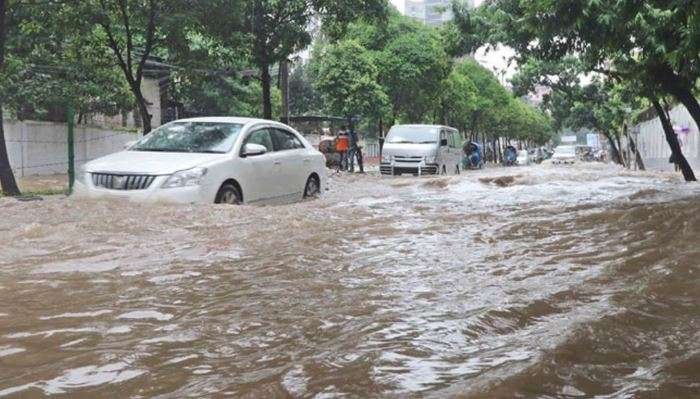
Infrastructure development in Bashundhara is also significantly more organized than in many other parts of the capital. Instead of traditional asphalt roads, the area uses durable concrete block technology that helps improve drainage and reduce waterlogging. While many parts of Dhaka flood after moderate rainfall, Bashundhara’s planned drainage system has managed to control the problem effectively.
The area also benefits from wide roads, designated parking spaces, pedestrian-friendly footpaths and a comparatively clean environment.
In terms of civic facilities, Bashundhara has become nearly self-sufficient. Electricity, water, gas, internet and security services are managed in a more coordinated and reliable manner than in many other neighborhoods. Dedicated infrastructure and space have also been allocated for law enforcement agencies, contributing to a greater sense of safety among residents.
Unlike many areas where political influence, land grabbing, extortion and illegal businesses create instability, Bashundhara has largely remained free from such activities through controlled and rule-based management.
Another notable aspect is its social and environmental discipline. The area is largely free from hawkers, floating slums and illegal roadside establishments. This has created a cleaner and safer social environment for children and families. Every block includes well-planned mosques, while facilities for other faiths also help maintain communal harmony.
Community parks and playgrounds further enhance the quality of life.
During the political unrest of 2024, Bashundhara residents reportedly demonstrated strong unity and civic responsibility by working together to maintain security within the area. Observers say this reflected the true strength of a planned residential community — where social cohesion matters as much as infrastructure.
Residents also argue that independent management through the Welfare Society has proven more effective and accountable than conventional city corporation administration. They fear that increased bureaucracy, political interference and higher taxes under DNCC control could weaken the area’s discipline and efficiency.
Bashundhara is also home to several top educational institutions, international-standard schools, modern hospitals, shopping malls, restaurants, cafes and sports facilities. These amenities have transformed the area into a modern lifestyle hub within the capital.
Its multi-layered security system is another key attraction. Controlled entry points, regular patrols, extensive CCTV surveillance and continuous administrative monitoring provide residents with a strong sense of safety and peace of mind.
Many residents say they do not merely purchase flats or plots in Bashundhara — they invest in security, dignity and a disciplined lifestyle. That is why people continue to dream of living there despite comparatively higher property prices.
Residents fear that if the area loses its current management structure and character, restoring its beauty, order and reputation in the future may become extremely difficult. They believe preserving Bashundhara’s aesthetics, environmental balance, security and planned character is not only the responsibility of its authorities, but also a shared duty of every resident.

নিউজটি শেয়ার করুন