ঢাকা ০৫:৩৮ পূর্বাহ্ন, সোমবার, ২২ জুন ২০২৬, ৭ আষাঢ় ১৪৩৩ বঙ্গাব্দ
সংবাদ শিরোনাম ::
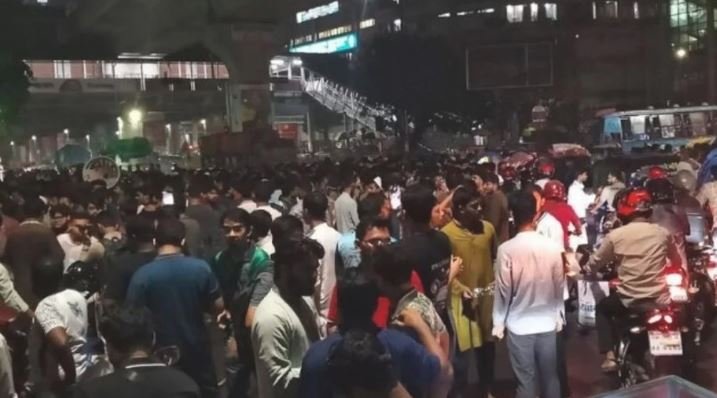
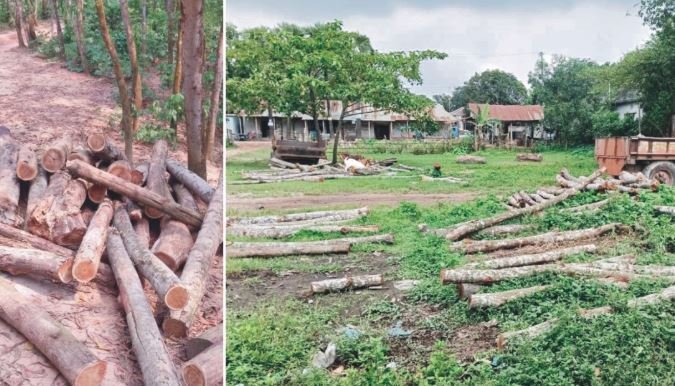
শিবির নেতার মৃত্যুর প্রতিবাদে উত্তাল রাজধানী ঈদের ছুটিতে দুই বনে গাছ উধাও, কাটা হলো শত শত বৃক্ষ সিলেটে ডিসি সারওয়ারের আলোচিত অধ্যায়: ‘পাথরকাণ্ডে’ শুরু, ‘ডেগকাণ্ডে’ শেষ স্মৃতিবিজড়িত ১২০০ বছরের পুরনো ‘মেজর ওক’ গাছের মৃত্যু সৌদিকে উড়িয়ে বিশ্বকাপে স্পেনের প্রথম জয়, ঝলক দেখালেন ইয়ামাল শিল্পগোষ্ঠীর কাছে চাঁদা দাবির অভিযোগ এমপি-পুত্র খায়রুলের বিরুদ্ধে খুলনায় ১৮ দিন ধরে খাবার খাচ্ছে না খানজাহান আলীর মাজারের কুমির চাঁদাবাজি ও অনিয়মের অভিযোগ: এমপি-পুত্র সজীবকে যুবদল থেকে বহিষ্কার কোনো প্রভুত্ব নয়, সমবন্ধুত্বের মধ্য দিয়েই বাংলাদেশ এগিয়ে যাবে: ভূমিমন্ত্রী মিনু সুন্দরবনে ফাঁদে আহত বাঘিনী সুস্থ, ফিরছে তার আবাসস্থলে

Uncompromising leader, resting forever beside her husband

staff reporter
  • সংবাদ প্রকাশের সময় : ১১:৫০:০৩ অপরাহ্ন, বুধবার, ৩১ ডিসেম্বর ২০২৫ ১১৯ বার পড়া হয়েছে
বাংলা টাইমস অনলাইনের সর্বশেষ নিউজ পেতে অনুসরণ করুন গুগল নিউজ (Google News) ফিডটি

Uncompromising leader, former Prime Minister and BNP Chairperson Begum Khaleda Zia, rests forever beside her husband, former President Ziaur Rahman, at Zia Udyan in the Parliament building area.

Her burial was completed with state honors on Wednesday (December 31) at around 4:30 pm.

At the age of 79, after being treated at Dhaka’s Evercare Hospital for 40 days, doctors announced her death at 6 am on Tuesday. A three-day state mourning is underway in the country following her death, and a general holiday has been declared on Wednesday.

Nicknamed “Putul” in childhood, Khaleda Zia married Ziaur Rahman in 1960. After her husband’s assassination, she entered politics from a housewife and became the BNP Chairperson in 1984, a position she held until her death. In 1983, she formed a seven-party alliance under his leadership and started the anti-Ershad movement. She was known as the “uncompromising leader” within the party due to her never compromising and firm policies.

Khaleda Zia’s funeral was held in front of the National Assembly building, where millions of people and top state officials were present. Three days of state mourning have been declared in the country following her death.

Khaleda Zia’s funeral was held in front of the National Assembly at 3 pm on Wednesday amidst a sea of ​​people. Thousands of people from all the surrounding streets and alleys, beyond the inner grounds of the National Parliament Building, the outer part and the entire Manik Mia Avenue, participated in it.

It was on this Manik Mia Avenue that the funeral of Khaleda Zia’s husband, the then President Ziaur Rahman, was held on June 2, 1981. He was later buried in Chandrima Udyan, which is now called Zia Udyan.

Khaleda Zia married Captain Ziaur Rahman of the East Bengal Regiment of the Pakistan Army in 1960.

Ziaur Rahman was the commander of Sector No. 1 and the commander of Z Force in the 1971 Liberation War. After independence, he was awarded the title of Bir Uttam for his role in the Liberation War. Later, amidst various events, he reached the peak of amnesty.

While he was the President, he was killed in a failed military coup in Chittagong on May 30, 1981.

After Zia’s death, BNP was taken over by his wife Khaleda Zia, who was then a housewife. She was elected the party’s chairperson in August 1984, a position she held until her death.

In 1983, BNP formed a seven-party alliance under the leadership of Khaleda Zia and launched an anti-Ershad movement. Khaleda never compromised with the Ershad government in that movement.

Although other major political parties reached an agreement, BNP did not reach any agreement under the leadership of Khaleda Zia. That is why she is known among the party’s leaders and activists as the uncompromising leader.

On Wednesday morning, Khaleda Zia’s coffin was taken from Evercare Hospital to her son Tarique Rahman’s house in Gulshan.

Later, the hearse decorated with the national flag reached in front of the Parliament building at around 12:15 pm. Khaleda Zia’s eldest son Tarique Rahman and his family members reached there in a bus in the convoy. Although Khaleda Zia’s funeral was scheduled to take place after Zohr, the Parliament building area was crowded with people before that.

The funeral was attended by Chief Advisor Muhammad Yunus and members of the government’s advisory council, as well as Chief Justice Zubair Rahman Chowdhury, Army Chief General Waqar-uz-Zaman, Navy Chief Admiral Mohammad Nazmul Hassan, and Air Chief Marshal Hassan Mahmud Khan.

In summary, Khaleda Zia was a strong, uncompromising leader in the country’s political life, who rose from a housewife to the top of national politics and wrote an important chapter in Bangladeshi politics.
নিউজটি শেয়ার করুন
আপনার মন্তব্য

Your email address will not be published. Required fields are marked *

আপনার ইমেইল এবং অন্যান্য তথ্য সংরক্ষন করুন

ট্যাগস :

Uncompromising leader, resting forever beside her husband

সংবাদ প্রকাশের সময় : ১১:৫০:০৩ অপরাহ্ন, বুধবার, ৩১ ডিসেম্বর ২০২৫

Uncompromising leader, former Prime Minister and BNP Chairperson Begum Khaleda Zia, rests forever beside her husband, former President Ziaur Rahman, at Zia Udyan in the Parliament building area.

Her burial was completed with state honors on Wednesday (December 31) at around 4:30 pm.

At the age of 79, after being treated at Dhaka’s Evercare Hospital for 40 days, doctors announced her death at 6 am on Tuesday. A three-day state mourning is underway in the country following her death, and a general holiday has been declared on Wednesday.

Nicknamed “Putul” in childhood, Khaleda Zia married Ziaur Rahman in 1960. After her husband’s assassination, she entered politics from a housewife and became the BNP Chairperson in 1984, a position she held until her death. In 1983, she formed a seven-party alliance under his leadership and started the anti-Ershad movement. She was known as the “uncompromising leader” within the party due to her never compromising and firm policies.

Khaleda Zia’s funeral was held in front of the National Assembly building, where millions of people and top state officials were present. Three days of state mourning have been declared in the country following her death.

Khaleda Zia’s funeral was held in front of the National Assembly at 3 pm on Wednesday amidst a sea of ​​people. Thousands of people from all the surrounding streets and alleys, beyond the inner grounds of the National Parliament Building, the outer part and the entire Manik Mia Avenue, participated in it.

It was on this Manik Mia Avenue that the funeral of Khaleda Zia’s husband, the then President Ziaur Rahman, was held on June 2, 1981. He was later buried in Chandrima Udyan, which is now called Zia Udyan.

Khaleda Zia married Captain Ziaur Rahman of the East Bengal Regiment of the Pakistan Army in 1960.

Ziaur Rahman was the commander of Sector No. 1 and the commander of Z Force in the 1971 Liberation War. After independence, he was awarded the title of Bir Uttam for his role in the Liberation War. Later, amidst various events, he reached the peak of amnesty.

While he was the President, he was killed in a failed military coup in Chittagong on May 30, 1981.

After Zia’s death, BNP was taken over by his wife Khaleda Zia, who was then a housewife. She was elected the party’s chairperson in August 1984, a position she held until her death.

In 1983, BNP formed a seven-party alliance under the leadership of Khaleda Zia and launched an anti-Ershad movement. Khaleda never compromised with the Ershad government in that movement.

Although other major political parties reached an agreement, BNP did not reach any agreement under the leadership of Khaleda Zia. That is why she is known among the party’s leaders and activists as the uncompromising leader.

On Wednesday morning, Khaleda Zia’s coffin was taken from Evercare Hospital to her son Tarique Rahman’s house in Gulshan.

Later, the hearse decorated with the national flag reached in front of the Parliament building at around 12:15 pm. Khaleda Zia’s eldest son Tarique Rahman and his family members reached there in a bus in the convoy. Although Khaleda Zia’s funeral was scheduled to take place after Zohr, the Parliament building area was crowded with people before that.

The funeral was attended by Chief Advisor Muhammad Yunus and members of the government’s advisory council, as well as Chief Justice Zubair Rahman Chowdhury, Army Chief General Waqar-uz-Zaman, Navy Chief Admiral Mohammad Nazmul Hassan, and Air Chief Marshal Hassan Mahmud Khan.

In summary, Khaleda Zia was a strong, uncompromising leader in the country’s political life, who rose from a housewife to the top of national politics and wrote an important chapter in Bangladeshi politics.